
Contributed Post
Bringing a baby into your life is is one of the greatest joys ever. But what often catches new parents off guard is just how much stuff comes along with them. One minute, your living room is perfectly put together, and the next, it’s overflowing with bright plastic toys. That sleek hallway? Now it’s home to some mysterious contraption you can’t quite figure out. It’s easy to feel like your home’s vibe is getting swallowed up by an avalanche of baby gear. But don’t worry, it doesn’t have to be that way. With a bit of planning and some smart choices, you can have a home that’s both beautiful and totally practical for your little one.
Maintaining Your Design Vision
First things first, let go of the idea that you have to ditch your personal style. Your home can absolutely still show off your taste; it’ll just have a new, family-friendly twist. Before you buy anything, take a moment to remember what look you’re going for. What kind of feeling do you want your home to have? Are you into Scandinavian interiors, or a minimalist look, perhaps a cosy vintage vibe, or something classic and elegant?
Once you’ve got your style clear, try putting together a mood board for your home. Pin pictures of rooms you love, then start adding baby items into the mix. Look for cribs, changing tables, and play mats that fit your aesthetic. This helps you see how everything can work together and stops you from making impulse buys that just don’t match. Think of it less as “baby-proofing” and more as “family-integrating.” The goal is to pick things that are safe and useful for a child, but also nice to look at for grown-ups.
Choosing Stylish Baby Essentials
Not all baby gear is created equal, that’s for sure. While safety and how well something works are important, lots of brands now get that parents also care about good design. When you’re picking out those bigger items that will live in your main spaces for a while, it pays to be a bit picky. Try to find products made from natural stuff like wood, rattan, or nice fabrics in neutral or soft colors. These materials usually blend in much better with your existing furniture than loud, bright-colored plastics.
Also, think about items that can do more than one job or change as your child grows. A stylish travel cot, for example, can be a safe play area in your living room as well as a handy bed while travelling. Another example is knowing how to choose a pack and play that combines a light, portable design with colors that match the aesthetic of your home. Alternatively opt for a simple grey, black, or beige model that will disappear into the background way better than one covered in cartoon characters. The same goes for high chairs; look for sleek, wooden designs that look more like a stylish piece of furniture. Even play mats have gotten a major style upgrade, with many looking like beautiful, fancy rugs. It’s all about choosing essentials that complement your home, instead of taking over. Just make sure anything you pick is made from safe, non-toxic materials for babies.
Smart Storage Solutions for Toys
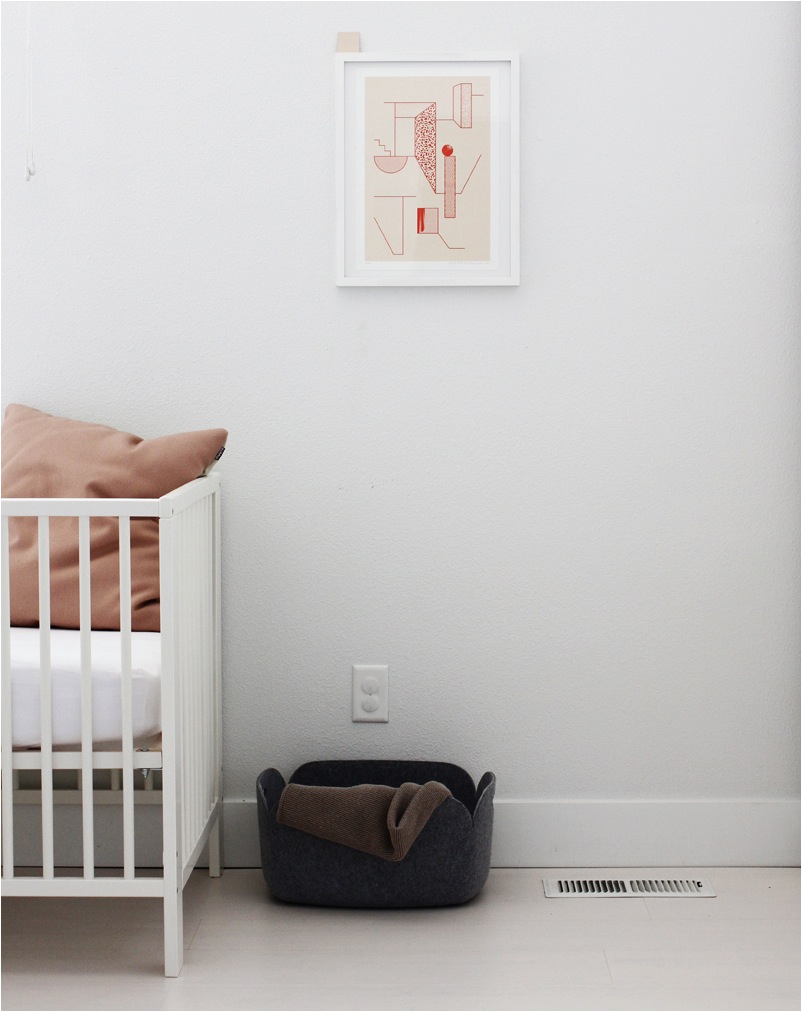
Toys are often the biggest reason for visual clutter. The trick to keeping them under control is having a smart storage system that’s easy for both you and your child to use. Forget those huge plastic tubs and think about storage that also looks good. Big woven baskets made from seagrass, jute, or cotton rope are perfect for stashing toys at the end of the day, and they add a lovely texture to the room.
Consider furniture that has storage built right in, like an ottoman with a lid that lifts up or a window seat with drawers underneath. These are brilliant for hiding tons of toys in plain sight. Another good strategy is toy rotation. By only having a few toys out at a time and putting the rest away, you not only cut down on clutter but also keep your child more interested in what they have. You can use a simple toy rotation system to make this easy. And don’t be afraid to use your current furniture, either. The lower shelves of a bookcase can be a great spot for lining up pretty wooden toys or kids’ books, turning them into a decorative feature.
Creating a Cohesive Look
The last step is pulling everything together so your whole living space feels harmonious. Using a consistent color palette is one of the best ways to do this. You don’t have to paint everything beige, but sticking to three to four main colors for your walls, furniture, and bigger accessories will make everything feel calm and connected. Then, you can bring in brighter, more playful colors with smaller things like cushions, toys, and artwork.
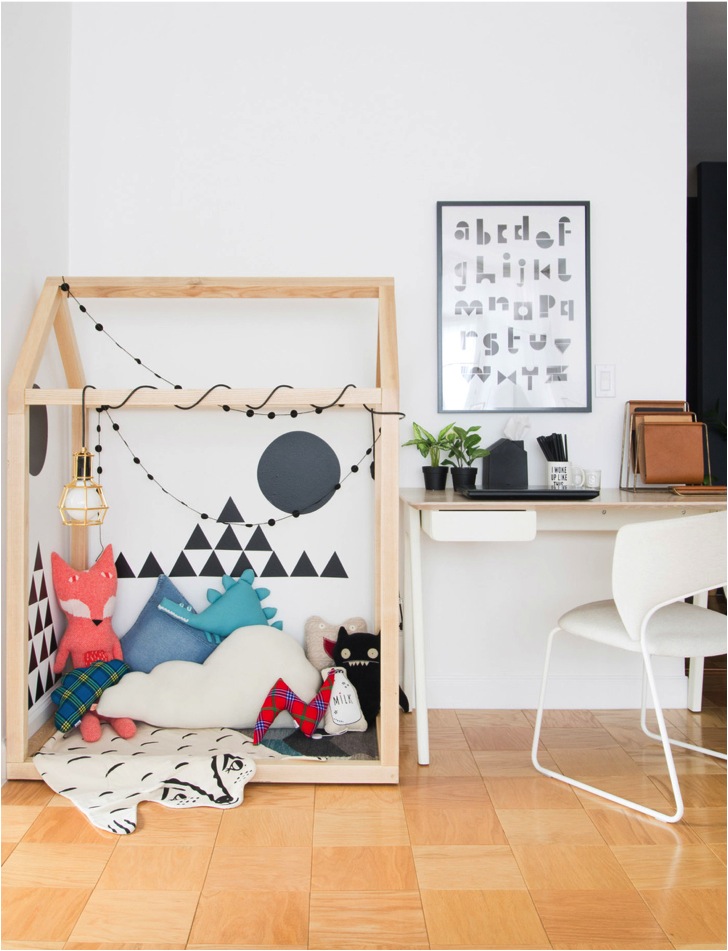
Fabrics are your secret weapon here. A big, stylish rug can mark out a play area in a larger living room, making the space feel grounded and intentional. Use throws and cushions to soften up a playpen or to match the color of a baby bouncer with your sofa. Creating specific “zones” can also help. A corner of the living room can become a cozy reading nook with a soft rug, a small bookshelf, and a comfy armchair that both you and your child can enjoy. The goal is to make the baby-focused areas feel like a intentional and integrated part of your home’s overall design, not just a temporary, chaotic takeover. By thoughtfully blending colors, textures, and zones, you create a space that feels welcoming and stylish for everyone in the family.
Your home should grow and change with your family. Welcoming a baby doesn’t mean giving up your personal style. Instead, it means adapting your space to meet new needs while keeping it warm, functional, and inviting. Thoughtful updates create a home that supports your growing family without sacrificing comfort or personality.
image credits: design-milk | source unknown
